Apple iPhone 17 Pro Max: Titanium, Thermal Geometry & A19 Pro
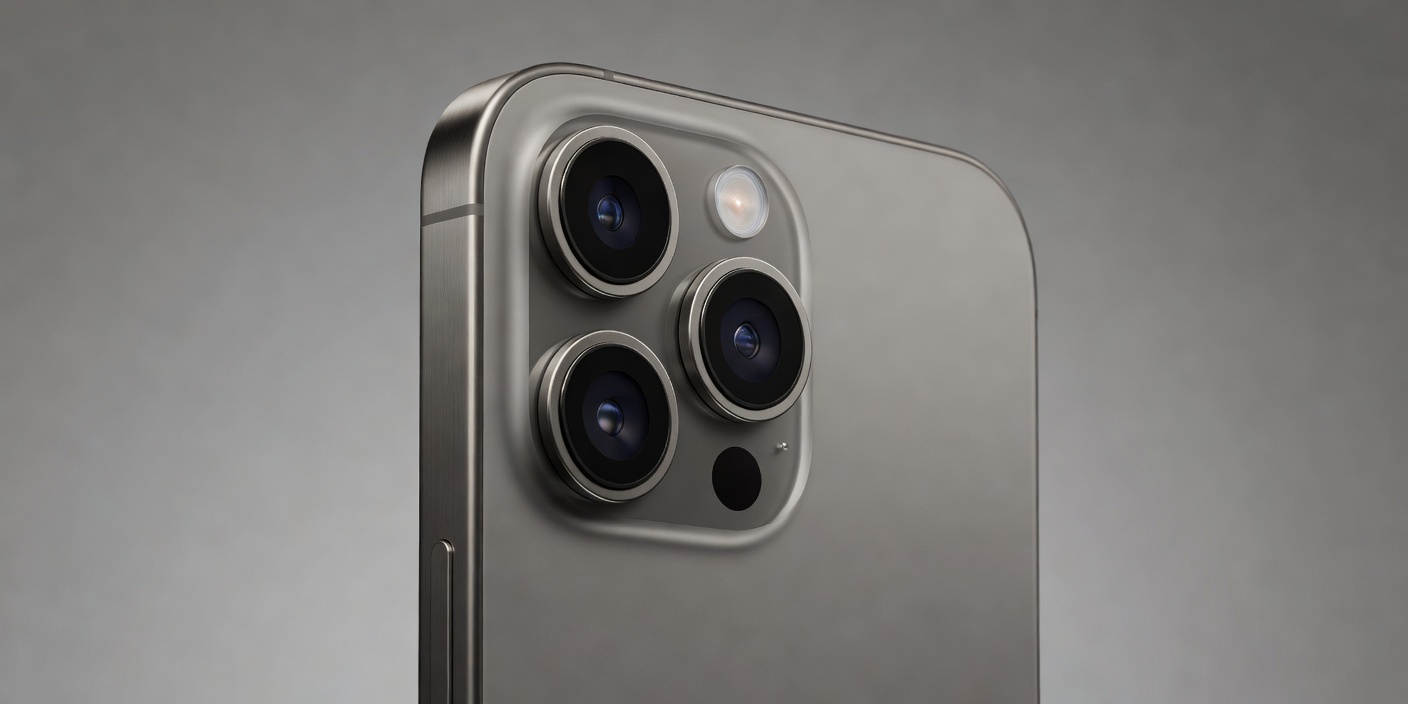
The Apple iPhone 17 Pro Max represents a focused iteration on Apple's premium flagship lineage, consolidating sub-millimeter titanium bonding techniques with second-generation 3-nanometer silicon architectures. By optimizing the thermodynamic flow through a laser-welded aluminum-titanium substructure, Apple targets the chronic thermal saturation issues common to dense graphics workloads and high-bitrate video workflows.
Optical Matrix: Unified 48MP Photonic Engine
The optical subsystem transitions completely to a 48MP resolution threshold across all three focal lengths. The wide primary module incorporates second-generation sensor-shift optical stabilization, operating in tandem with an updated quad-pixel binning model that produces 24MP default composites. This computational resolution sweet-spot preserves high-frequency edge detail without inflating storage footprint.
The 5x tetraprism optical module replaces previous generation lower-resolution telephoto sensors with a customized 48MP sensor, opening native intermediate crop values between 5x and 10x without pure digital enlargement artifacts. Combined with Apple Log 2 capture profiles and ACES color conformity, the device acts as a primary cinema capture camera for commercial creators.
Display Architecture and Border Shrinkage
Utilizing Border Reduction Structure (BRS) tech, the iPhone 17 Pro Max expands display surface area to 6.9 inches diagonally while retaining ergonomic outer frame widths. The Super Retina XDR panel provides ProMotion variable refresh frequencies from 1Hz up to 120Hz, utilizing high-efficiency LTPO backplane substrates. Outdoor visibility reaches 2,000 nits under high ambient lux levels, accompanied by Ceramic Shield matrix coatings providing robust fracture toughness.
Architectural Advantages
- • Consistent 48MP raw resolving capability across every focal length.
- • Best-in-class power efficiency and single-thread CPU performance.
- • Exceptional build tolerances with Grade 5 Titanium bonding.
- • Industry-standard video capture bitrates with direct SSD write.
System Trade-offs
- • Charging speeds capped at conservative 30W wired thresholds.
- • Substantial physical footprint poses handling strain for one-handed operation.
- • Proprietary ecosystem lock-in limits peripheral compatibility.
Comparative Market Positioning
Against Android giants like the Samsung Galaxy S26 Ultra and Xiaomi 17 Ultra, the iPhone 17 Pro Max trades extreme telephoto reach (such as 100x hybrid zooms) for seamless video recording color continuity and sustained compute throughput without throttling. For end-users prioritizing video workflow consistency, app optimization, and device value retention, it remains a premier benchmark in luxury mobile computing.